
In the middle of busy central Delhi, Agrasen ki Baoli offers a striking pause: a long descent of stone steps, repeating arches and a deep well that speak to the city’s older ways of living with water. It’s a compact visit, but one that rewards taking your time—and looking beyond the familiar monuments.
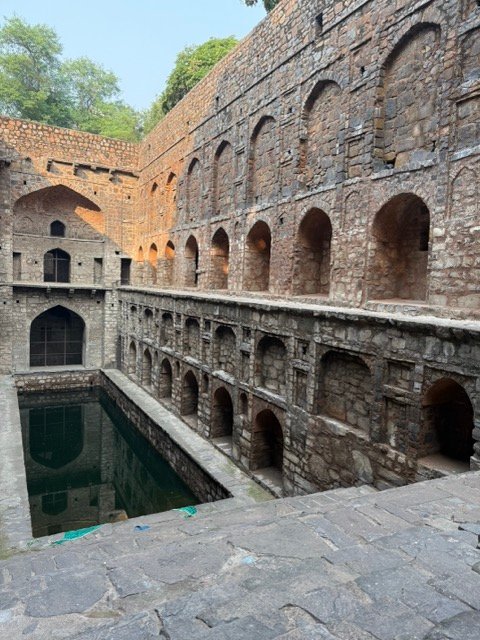
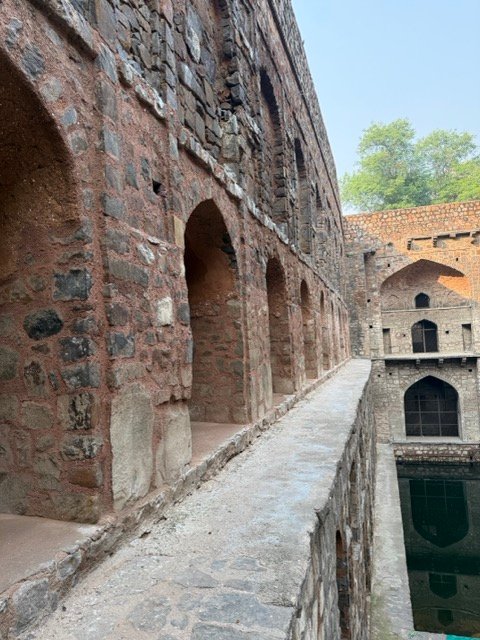
A stepwell built for water and everyday life
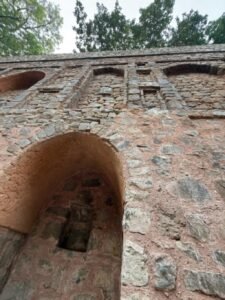
A baoli is a stepwell: a structure that let people reach water as its level changed through the seasons. Stepwells also offered cool, shaded places to rest and gather. It is thought that Agrasen ki Baoli as it stands today dates back to the 14th-century. However some think that there even was a stepwell before that (10th century). Worshippers or loyalists of the legendary king Agrasen, probably built it or at least named it. The stepped galleries and arched niches make the practical design especially easy to appreciate.
Agrasen’s isn’t Delhi’s only baoli. In Mehrauli Archeological Park, you can visit Gandhak ki Baoli and Rajon ki Baoli, as well as the older Anangtal Baoli. Other historic examples include the baoli at Purana Qila and the one at Firoz Shah Kotla. If stepwells are your particular interest, these sites make a rewarding heritage trail across the city.
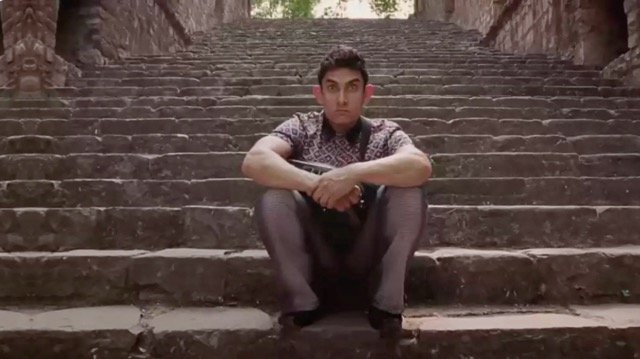
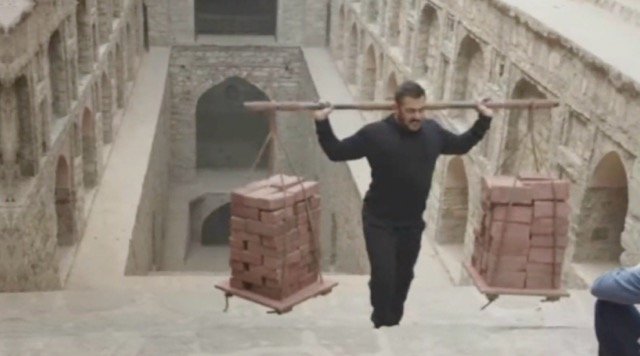
A familiar film backdrop
The distinctive architecture has also appeared on screen. Bollywood films shot at the baoli include PK, Sultan, Kabhi Alvida Naa Kehna, Shubh Mangal Savdhan and Mom. You may recognize the setting even if you haven’t visited before.

Visiting Agrasen ki Baoli
The baoli is on Hailey Road, close to Connaught Place. It is listed as open daily from 9:00 a.m. to 5:30 p.m., with free entry. Hours and access can change, so check locally before making a special trip. The descent includes many steps; wear comfortable shoes and take care on the stairs.
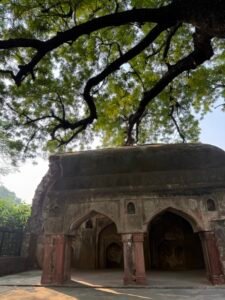
One detail worth noticing is the small mosque on the western side of the baoli. It is a separate, modest structure, traditionally described as three-sided, with red sandstone pillars supporting its roof. Its unusual architectural details include carved chaitya-like motifs on the columns and stucco medallions around the arch. Although parts of it are damaged, it adds another layer to the site’s history and is worth viewing respectfully from the permitted visitor areas.
A relaxed morning nearby
Start at Agrasen ki Baoli when it opens, then walk or take a short ride to Jantar Mantar, the 18th-century observatory on Parliament Street. From there, continue to Connaught Place for a coffee or early lunch. Gurudwara Bangla Sahib is another nearby stop; visitors should cover their heads and follow the site’s guidance on footwear and conduct. Jantar Mantar has a separate admission fee, unlike the baoli.
For a casual, less formal break, try Indian Coffee House in Connaught Place. It’s a long-running local café rather than a polished tourist attraction, with coffee and simple café food; its unpretentious setting makes a nice contrast to the grand heritage stops. It has been a popular gathering place for students and locals for decades.
Agrasen ki Baoli is a reminder that Delhi’s history isn’t only written in forts and tombs. Here, engineering, water, architecture and everyday social life meet in one memorable place.
Enjoy! Caroline @ Wanderlustvana